RS485, as a stable and cost-effective communication Type, is still widely used in the communication between inverters or combiners and loggers, especially in the communication between DC combiners and loggers.
In the process of connecting devices using RS485, there are generally the following restrictions:
- The communication distance is no more than 1000m
- Use hand-in-hand daisy chain connections to avoid star connections, as the latter can affect communication quality due to reflection interference
- Theoretically, the maximum number of devices per circuit is 128, but in practice, it generally does not exceed 10 sets
- Generally laid together with low voltage cables
In the actual design process, we usually have some optimization and constraint conditions:
- Specify the Qty. of devices per circuit, which should typically be within a range, such as: 3-6 sets
- Try to minimize the total length of 485 cables
- When the total Length is close, try to adopt the plan with fewer circuit numbers; when the circuit numbers are also the same, try to adopt the plan with a balanced Qty. of devices per circuit
Based on the above constraints, we employ the Depth-First Search (DFS) algorithm to traverse various possible combination plans, selecting the optimal plan that meets the aforementioned conditions. The connection relationship of a single power block 485 typically cost around 1 second, significantly enhancing design efficiency and optimizing the 485 connection plan.
Case 1
(Qty. of devices allowed per circuit: 3-6)
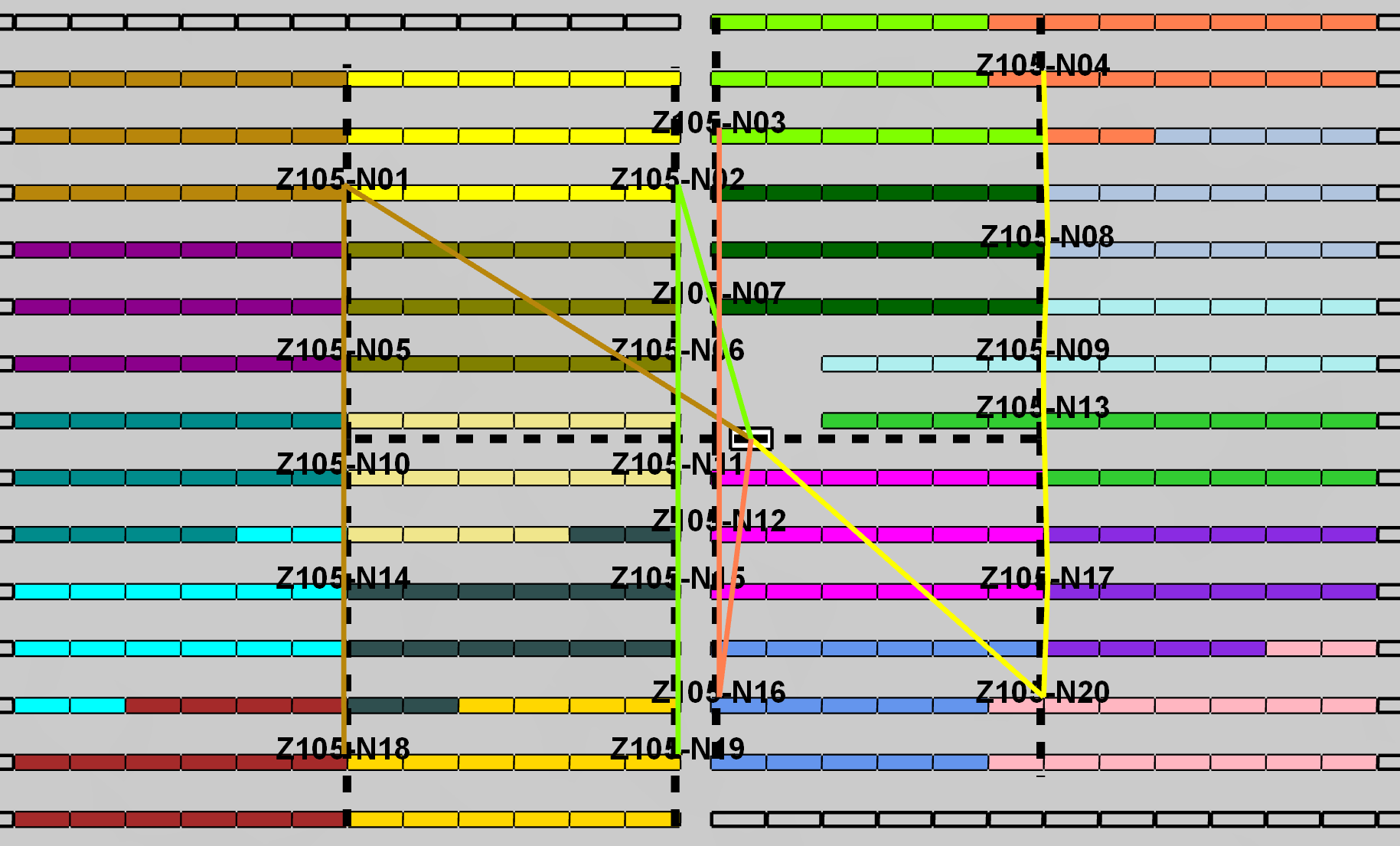
Case 2
(Qty. of devices allowed per circuit: 4-7)

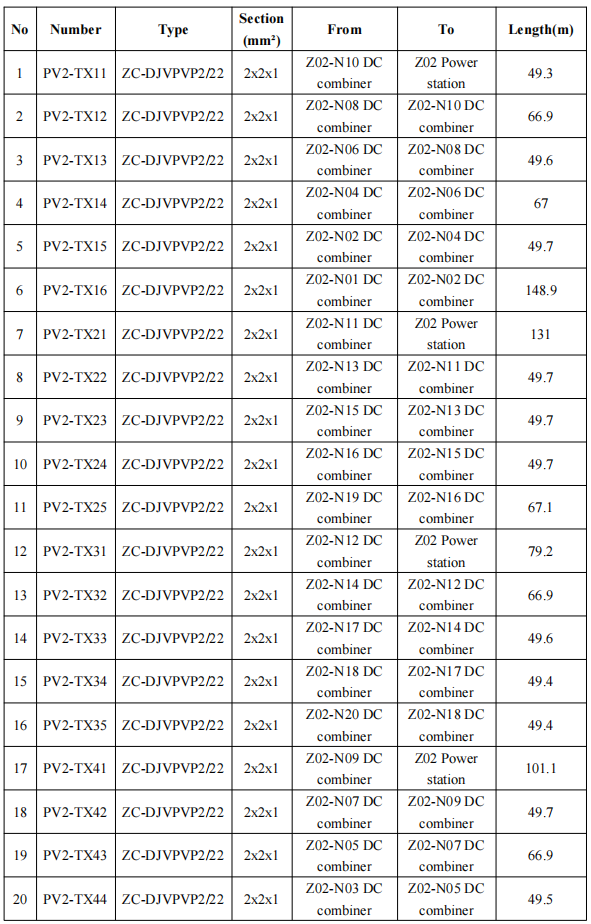
485 detailed list
Summary
This paper introduces the connection principles and restrictions of RS-485 communication in photovoltaic power station. Based on these principles and conditions, Candela3D software has realized automatic RS485 connection and Generate of Cable list, which can solve the problems of Low efficiency and error prone in traditional manual design, and provide an efficient and reliable engineering solution for RS485 communication wiring in photovoltaic power station.
Article Comments(0)